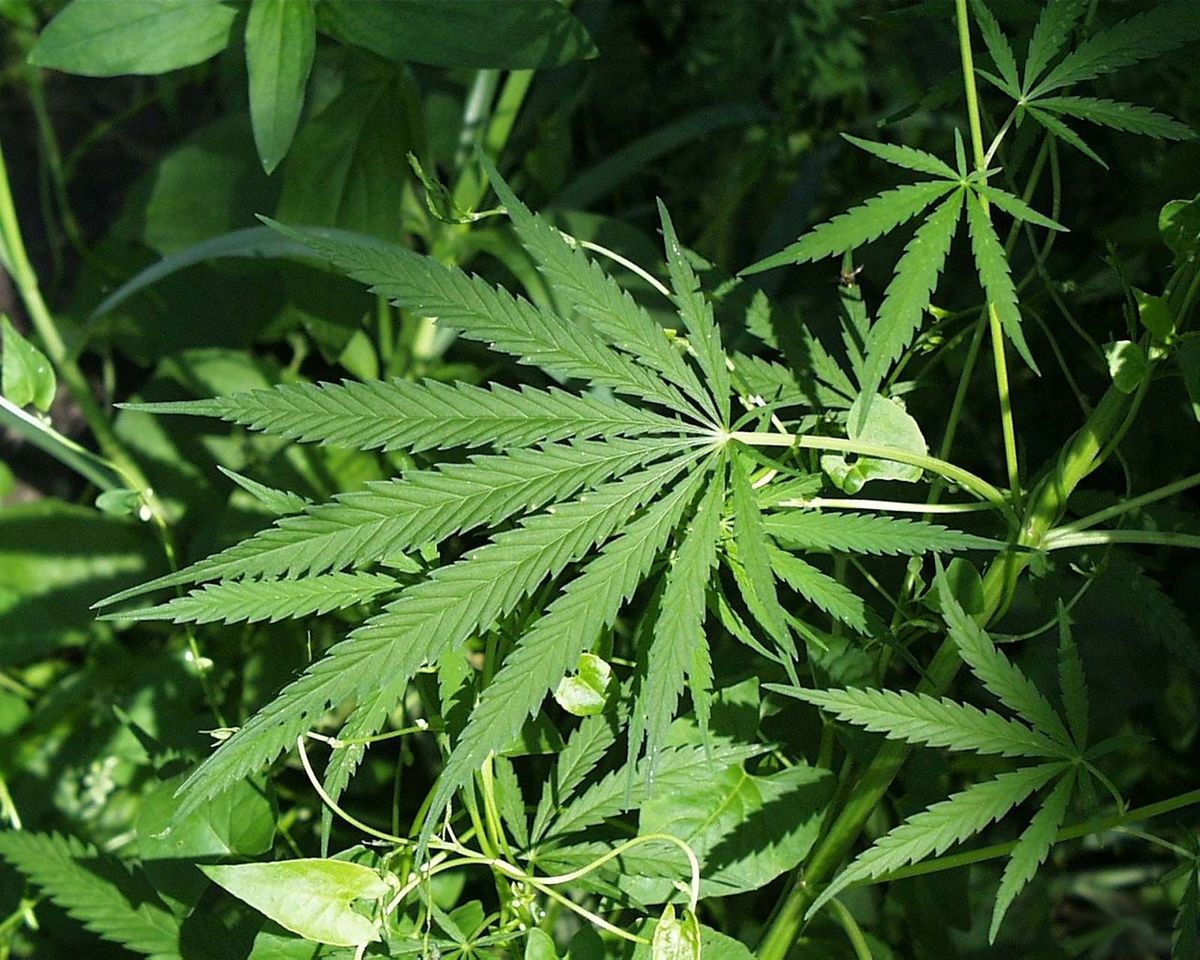
Medical vs. Recreational Marijuana
Most people in legal states assume a medical card is pointless once recreational sales start. They're wrong — and the reasons go beyond just saving money on taxes.
Reviewed by Laura Bennett · Sources verified March 27, 2026
The Short Answer
In states where both programs exist, a medical card gives you: lower taxes (saving 15-25% per purchase), higher possession limits (often 2-4x the recreational limit), access to higher-potency products (some states cap recreational THC), employment protections (in states like Arizona, Connecticut, and New York), and reciprocity in other states that accept out-of-state medical cards.
In the 18 states with medical-only programs, a medical card is the only legal way to access marijuana. And in the 7 states with no comprehensive program, neither option exists.
Both Medical & Recreational
Medical Only
No Comprehensive Program
Five Reasons a Medical Card Still Matters in Legal States
1. Tax Savings Are Significant
In Illinois, recreational marijuana carries a combined tax rate of 25-41% depending on THC content. Medical patients pay 1% sales tax. On a $300/month spend, that's $75-$120/month in savings — $900-$1,440/year. In Washington, recreational tax is 37%; medical is exempt. The card typically costs $100-$200/year, so the math works out quickly for regular users.
2. Higher Possession and Purchase Limits
Colorado recreational limit: 2 oz. Medical limit: 8 oz (with extended count). Oregon recreational: 1 oz in public. Medical: 24 oz at home. New Jersey recreational: 6 oz. Medical: 3 oz per 30-day period but no annual cap. For people who use marijuana regularly for chronic conditions, the recreational limits can be genuinely restrictive.
3. Employment Protections
This is the most underappreciated benefit. Arizona, Connecticut, Delaware, Minnesota, Nevada, New Jersey, New York, and Rhode Island have laws that provide some level of employment protection for medical marijuana patients. Recreational users in these same states have no such protection. If your employer drug tests, a medical card can be the difference between keeping and losing your job.
Real scenario: A warehouse worker in Arizona tests positive for THC. With a medical card, Arizona's employment protection law (A.R.S. § 36-2813) prevents termination for a positive test alone (with exceptions for safety-sensitive positions). Without a card, the employer can terminate at will.
4. Access to Higher-Potency Products
Several states cap THC content for recreational products. Vermont limits recreational edibles to 50mg per package; medical patients can access higher doses. Connecticut caps recreational flower at 30% THC; no cap for medical. For patients with high tolerance or severe conditions, these caps make recreational products inadequate.
5. Reciprocity When Traveling
Oklahoma, Maine, Michigan, Missouri, and several other states accept out-of-state medical cards, allowing temporary access to their dispensaries. No state extends this courtesy to recreational users from other states — you must be a resident or visitor of legal age in a recreational state. A medical card from your home state can give you legal access in states you're visiting.
Side-by-Side Comparison
| Factor | Medical Program | Recreational Program |
|---|---|---|
| Who can buy | Patients with qualifying condition + state-issued card | Any adult 21+ with valid ID |
| Possession limits | Typically 2-8 oz (varies by state) | Typically 1-2.5 oz (varies by state) |
| Tax rate | Lower or exempt (1-8% in most states) | Higher (15-41% combined excise + sales) |
| Home cultivation | Allowed in most medical states (4-12 plants) | Varies — some states prohibit entirely (IL, WA, NJ) |
| Employment protection | Available in 8+ states (AZ, CT, DE, MN, NV, NJ, NY, RI) | Almost no states protect recreational users |
| Age requirement | 18+ (minors with guardian consent in some states) | 21+ (no exceptions) |
| Product potency | No THC cap in most states | Some states cap THC (VT, CT, others considering) |
| Out-of-state access | Reciprocity in OK, ME, MI, MO, and others | No reciprocity — must be in a legal state |
Medical-Only States: The Practical Reality
In the 18 states with medical-only programs, the experience varies enormously. Some have robust programs with dozens of dispensaries and broad qualifying conditions (Florida, Oklahoma, Pennsylvania). Others have restrictive programs that serve a small number of patients with narrow conditions (Texas, Georgia, Iowa).
The biggest practical difference between a "good" and "bad" medical program is the qualifying conditions list. Oklahoma allows doctors to recommend marijuana for any condition they see fit — effectively making it available to anyone willing to pay for a card. Texas limits it to specific conditions like epilepsy, PTSD, and terminal cancer, with THC content capped at 1% (raised from 0.5% in 2021).
States with Both Programs (25)
States with No Comprehensive Program (7)
These states have neither recreational nor comprehensive medical marijuana programs. Some have limited CBD-only or low-THC programs (Indiana allows CBD oil; Tennessee allows CBD with less than 0.9% THC), but these don't constitute full medical marijuana access. Residents of these states have no legal pathway to marijuana within their state borders.
What People Consistently Get Wrong
"My medical card works in every state."
Only if the destination state has reciprocity — and most don't. Oklahoma and Maine are the most generous, accepting cards from any state. Michigan accepts cards from states with reciprocity agreements. Most states do not accept out-of-state cards at all. Traveling to a state without reciprocity means your card provides zero legal protection.
"Medical marijuana is legal in all 50 states."
This is a common confusion between CBD products (broadly available) and medical marijuana programs (state-authorized, THC-containing products with a card system). Seven states still have no comprehensive medical marijuana program. The availability of CBD oil at a gas station does not mean medical marijuana is legal in that state.
"A medical card protects me from my employer."
Only in the 8+ states that have explicit employment protections for medical patients — and even those have exceptions for safety-sensitive positions, federal contractors, and roles where impairment would create danger. In most states, even medical patients can be terminated for a positive drug test. The card is not a blanket employment shield.
"Getting a medical card is hard."
This varies dramatically by state. In Oklahoma, the process takes about 30 minutes online and costs roughly $100. A doctor evaluates your condition via telehealth, and the state processes the card within 14 days. In states like Texas or Georgia, the qualifying conditions are narrow and the process is more restrictive. The difficulty is entirely state-dependent.