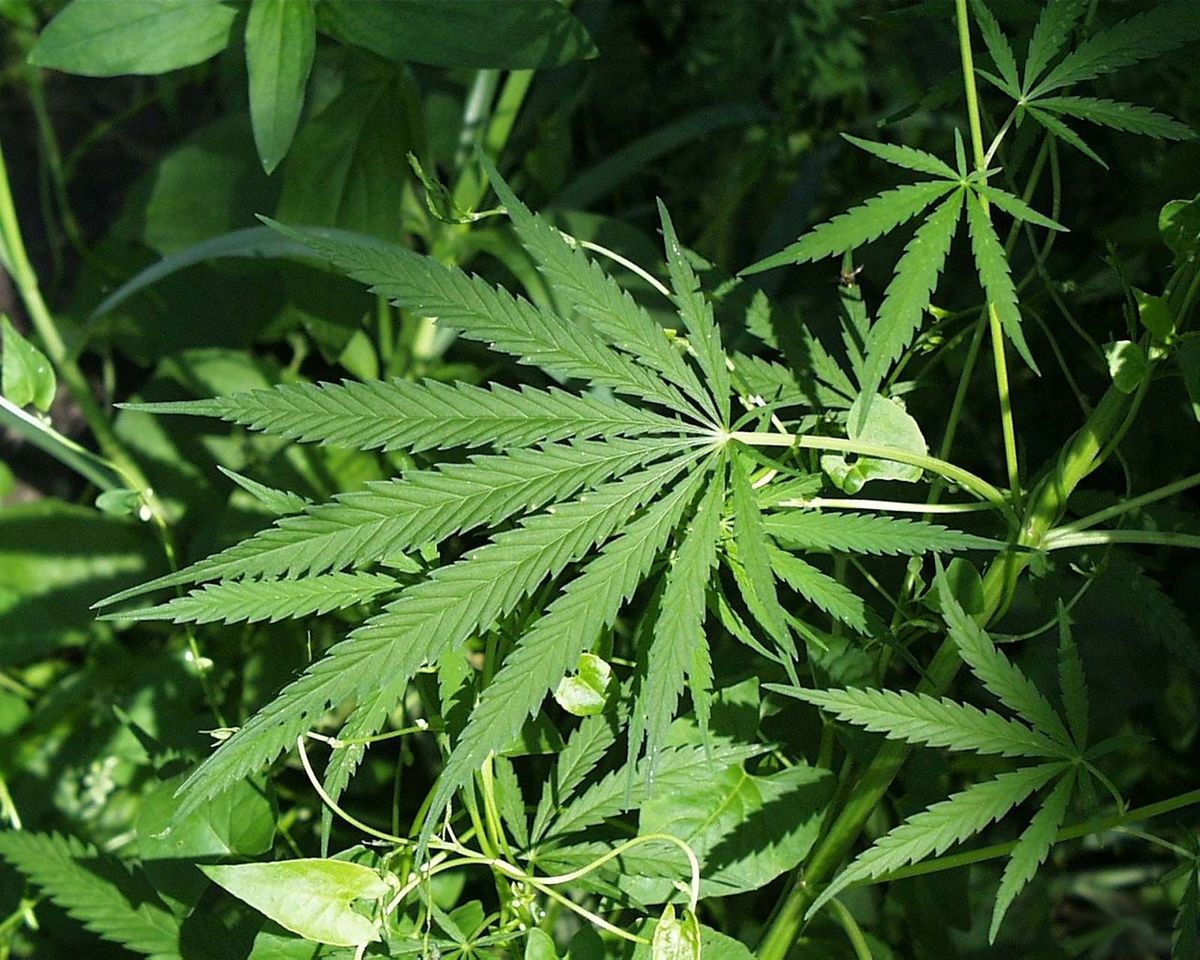
Marijuana Penalties by State
The penalty for possessing the same amount of marijuana ranges from nothing (legal states) to years in prison (Idaho, South Carolina). The same vape cartridge that's a routine purchase in Colorado is a felony in Texas. Here's the full picture.
Reviewed by Ethan Harper · Sources verified March 27, 2026
The Concentrate Trap
This is the single most important thing most people don't know about marijuana penalties: in many states, concentrates are classified differently than flower, and the penalties are dramatically harsher.
A vape cartridge, a dab, or an edible containing THC concentrate can be charged as a felony in states where the same amount of THC in flower form would be a misdemeanor. This distinction catches thousands of people annually — particularly travelers who buy a vape cartridge in a legal state and don't realize it becomes a felony the moment they cross certain state lines.
Texas
Flower under 2 oz: Class B misdemeanor (up to 180 days). Any amount of THC concentrate: state jail felony (180 days to 2 years). Same THC, wildly different charge.
Florida
Flower under 20g: misdemeanor. THC oil or concentrate: third-degree felony (up to 5 years). The extraction process changes the legal classification.
Georgia
Flower under 1 oz: misdemeanor (up to 1 year). THC oil: felony (1-10 years). Georgia prosecutors have charged college students with felonies for single vape cartridges.
Patterns That Matter More Than Individual State Rules
Traffic stops are the #1 trigger everywhere
In both legal and illegal states, the most common path to a marijuana charge starts with a traffic stop. The smell of marijuana gives officers probable cause for a vehicle search in most states (though some legal states have changed this). If you're going to encounter marijuana enforcement, it will almost certainly be during a traffic stop — not a raid on your home.
Quantity thresholds create cliff effects
Most states have sharp cutoffs where penalties jump dramatically. In Ohio, up to 100g is a minor misdemeanor ($150 fine). At 100.1g, it becomes a fourth-degree misdemeanor. At 200g, it's a fifth-degree felony. These thresholds matter because prosecutors don't round down — they round up. Packaging weight is often included.
School zone enhancements are the hidden multiplier
In most states, possession within 500-1,000 feet of a school, park, or daycare triggers enhanced penalties — often doubling the charge level. In dense urban areas, it's nearly impossible to be more than 1,000 feet from a school zone. This means the same possession that would be a misdemeanor in a rural area becomes a felony in a city, creating a geographic disparity in enforcement.
Prior offenses change everything
First-offense possession is treated relatively leniently in most states. Second and third offenses often jump to the next charge level. In Nebraska, first offense is a $300 fine with no jail time. Second offense is up to 5 years in prison. The gap between first and second offense is enormous in many states.
All 50 States: Status, Enforcement Rating & Penalties
Enforcement rating is on a 1-5 scale: 1 = effectively unenforced, 5 = aggressively enforced. See the full rating methodology.
| State | Status | Rating | Charge Level | Key Penalty Info |
|---|---|---|---|---|
| Alabama | Illegal | 4 | Class A misdemeanor for first offense, personal use | Not specified |
| Alaska | Legal | 1 | No criminal penalty for adults 21+ possessing up to one ounce | Not specified |
| Arizona | Legal | 1 | No criminal penalty for adults 21+ possessing up to one ounce | Not specified |
| Arkansas | Illegal | 4 | Class A misdemeanor for possession of less than 4 ounces | Not specified |
| California | Legal | 1 | No criminal penalty for adults 21+ possessing up to 28.5 grams | Not specified |
| Colorado | Legal | 1 | No criminal penalty for adults 21+ possessing up to two ounces | Not specified |
| Connecticut | Legal | 1 | No criminal penalty for adults 21+ possessing up to 1.5 ounces | Not specified |
| Delaware | Legal | 2 | No criminal penalty for adults 21+ possessing up to one ounce | Not specified |
| Florida | Illegal | 4 | Misdemeanor for possession of 20 grams or less | Not specified |
| Georgia | Illegal | 4 | Misdemeanor for possession of one ounce or less | Not specified |
| Hawaii | Legal | 2 | Civil violation for possession of 3 grams or less | Not specified |
| Idaho | Illegal | 5 | Misdemeanor for possession of three ounces or less | Not specified |
| Illinois | Legal | 1 | No criminal penalty for adults 21+ possessing up to 30 grams | Not specified |
| Indiana | Illegal | 4 | Class B misdemeanor for possession of any amount | Not specified |
| Iowa | Illegal | 3 | Misdemeanor for any amount | Not specified |
| Kansas | Illegal | 4 | Class B misdemeanor for first-time possession of any amount | Not specified |
| Kentucky | Illegal | 3 | Class B misdemeanor for possession of any amount | Not specified |
| Louisiana | Illegal | 3 | Fine-only offense for possession of 14 grams or less | Not specified |
| Maine | Legal | 1 | No criminal penalty for adults 21+ possessing up to 2.5 ounces | Not specified |
| Maryland | Legal | 1 | Civil offense for possession of up to 1.5 ounces | Not specified |
| Massachusetts | Legal | 1 | No criminal penalty for adults 21+ possessing up to one ounce in public | Not specified |
| Michigan | Legal | 1 | No criminal penalty for adults 21+ possessing up to 2.5 ounces | Not specified |
| Minnesota | Legal | 1 | No criminal penalty for adults 21+ possessing up to two ounces in public | Not specified |
| Mississippi | Illegal | 3 | Civil penalty for possession of 30 grams or less | Not specified |
| Missouri | Legal | 1 | No criminal penalty for adults 21+ possessing up to three ounces | Not specified |
| Montana | Legal | 1 | No criminal penalty for adults 21+ possessing up to one ounce | Not specified |
| Nebraska | Illegal | 3 | Infraction for first-offense possession of one ounce or less | Not specified |
| Nevada | Legal | 1 | No criminal penalty for adults 21+ possessing up to 2.5 ounces | Not specified |
| New Hampshire | Illegal | 2 | Violation for possession of up to 3/4 of an ounce | Not specified |
| New Jersey | Legal | 1 | No criminal penalty for adults 21+ possessing up to 6 ounces | Not specified |
| New Mexico | Legal | 1 | No criminal penalty for adults 21+ possessing up to two ounces | Not specified |
| New York | Legal | 1 | No criminal penalty for adults 21+ possessing up to three ounces | Not specified |
| North Carolina | Illegal | 3 | Class 3 misdemeanor for possession of 0.5 ounces or less | Not specified |
| North Dakota | Illegal | 3 | Criminal infraction for possession of up to 1/2 ounce | Not specified |
| Ohio | Legal | 1 | No criminal penalty for adults 21+ possessing up to 2.5 ounces | Not specified |
| Oklahoma | Illegal | 3 | Misdemeanor for possession without a medical license | Not specified |
| Oregon | Legal | 1 | No criminal penalty for adults 21+ possessing up to two ounces in public | Not specified |
| Pennsylvania | Illegal | 3 | Misdemeanor for possession of 30g or less | Not specified |
| Rhode Island | Legal | 1 | No criminal penalty for adults 21+ possessing up to one ounce | Not specified |
| South Carolina | Illegal | 4 | Misdemeanor for possession of one ounce or less | Not specified |
| South Dakota | Illegal | 3 | Class 1 misdemeanor for possession of 2 ounces or less | Not specified |
| Tennessee | Illegal | 4 | Misdemeanor for possession of 0.5 ounces or less | Not specified |
| Texas | Illegal | 4 | Class B misdemeanor for possession of 2 ounces or less | Not specified |
| Utah | Illegal | 4 | Class B misdemeanor for possession of less than one ounce | Not specified |
| Vermont | Legal | 1 | No criminal penalty for adults 21+ possessing up to one ounce | Not specified |
| Virginia | Legal | 1 | No criminal penalty for adults 21+ possessing up to one ounce | Not specified |
| Washington | Legal | 1 | No criminal penalty for adults 21+ possessing up to one ounce | Not specified |
| West Virginia | Illegal | 3 | Misdemeanor for possession of any amount | Not specified |
| Wisconsin | Illegal | 3 | Misdemeanor for first-offense possession | Not specified |
| Wyoming | Illegal | 4 | Misdemeanor for possession of 3 ounces or less | Not specified |
What Charge Levels Actually Mean
The legal terminology around marijuana charges is confusing because the same words mean different things in different states. Here's what matters in practice:
Civil Infraction / Decriminalized
No arrest, no criminal record, no jail. You get a ticket and pay a fine ($100-$300 typically). This is how it works in states like New York (pre-legalization), Connecticut, and Minnesota (pre-legalization). The catch: it still shows up in background checks in some states, and repeat offenses can escalate.
Misdemeanor
Criminal charge with real consequences. Up to 1 year in county jail (though most first offenders don't serve time). Creates a criminal record that shows up on employment checks, housing applications, and can affect professional licensing. In practice, most first-offense misdemeanor marijuana cases result in probation, community service, or diversion programs.
Felony
The consequences extend far beyond prison time. A felony conviction can result in loss of voting rights (in some states), permanent firearm prohibition, loss of federal student aid eligibility, disqualification from many professional licenses, and immigration consequences for non-citizens. In states like Alabama and Mississippi, repeat possession can be charged as a felony.
Legal (Within Limits)
No penalty for possession within legal limits. But "legal" has boundaries that matter: exceeding possession limits, public consumption, driving under the influence, possessing on school grounds, and selling without a license all carry penalties even in fully legal states. Colorado has issued over 1,500 citations for public consumption since legalization.
Real-World Enforcement Scenarios
The I-70 Corridor
Kansas Highway Patrol has publicly acknowledged targeting vehicles with Colorado plates on I-70. A 2019 federal court ruling found that Colorado plates alone do not constitute probable cause for a stop, but officers use minor traffic violations as pretexts. If you're driving east from Colorado into Kansas, you are statistically more likely to be stopped than other drivers on the same road.
The College Student Scenario
A student at a university in Georgia has a single THC vape cartridge in their dorm room. RA reports a smell. Campus police find the cartridge. Because THC concentrate is a felony in Georgia regardless of amount, the student faces 1-10 years. This scenario plays out dozens of times per year at universities in states where concentrate laws are harsher than flower laws.
The Probation Trap
In states where first-offense possession results in probation or a diversion program, the terms almost always include drug testing. A single failed test during probation can result in the original charge being reinstated at the maximum penalty. Many people who receive "lenient" first-offense treatment end up serving time because they fail a probation drug test.
The Rental Car Scenario
You rent a car in a legal state. The previous renter left marijuana residue or a smell. You drive into an illegal state and get pulled over. The officer smells marijuana and searches the vehicle. Even if no marijuana is found, the search itself can lead to discovery of other issues, and the experience is at minimum a significant disruption. Rental car companies in legal states have reported a sharp increase in marijuana-related complaints.
Marijuana DUI: Legal Everywhere, Enforced Unevenly
Driving under the influence of marijuana is illegal in all 50 states, including those that have fully legalized recreational use. But enforcement varies dramatically because there's no equivalent of a breathalyzer for marijuana impairment.
Some states have per-se THC limits in blood (Colorado: 5 ng/mL, Washington: 5 ng/mL, Montana: 5 ng/mL). Others rely on officer observation and field sobriety tests. The problem is that THC stays in blood long after impairment has passed — a daily user could test above 5 ng/mL while completely sober. This creates a situation where the legal standard doesn't accurately measure what it's supposed to measure.