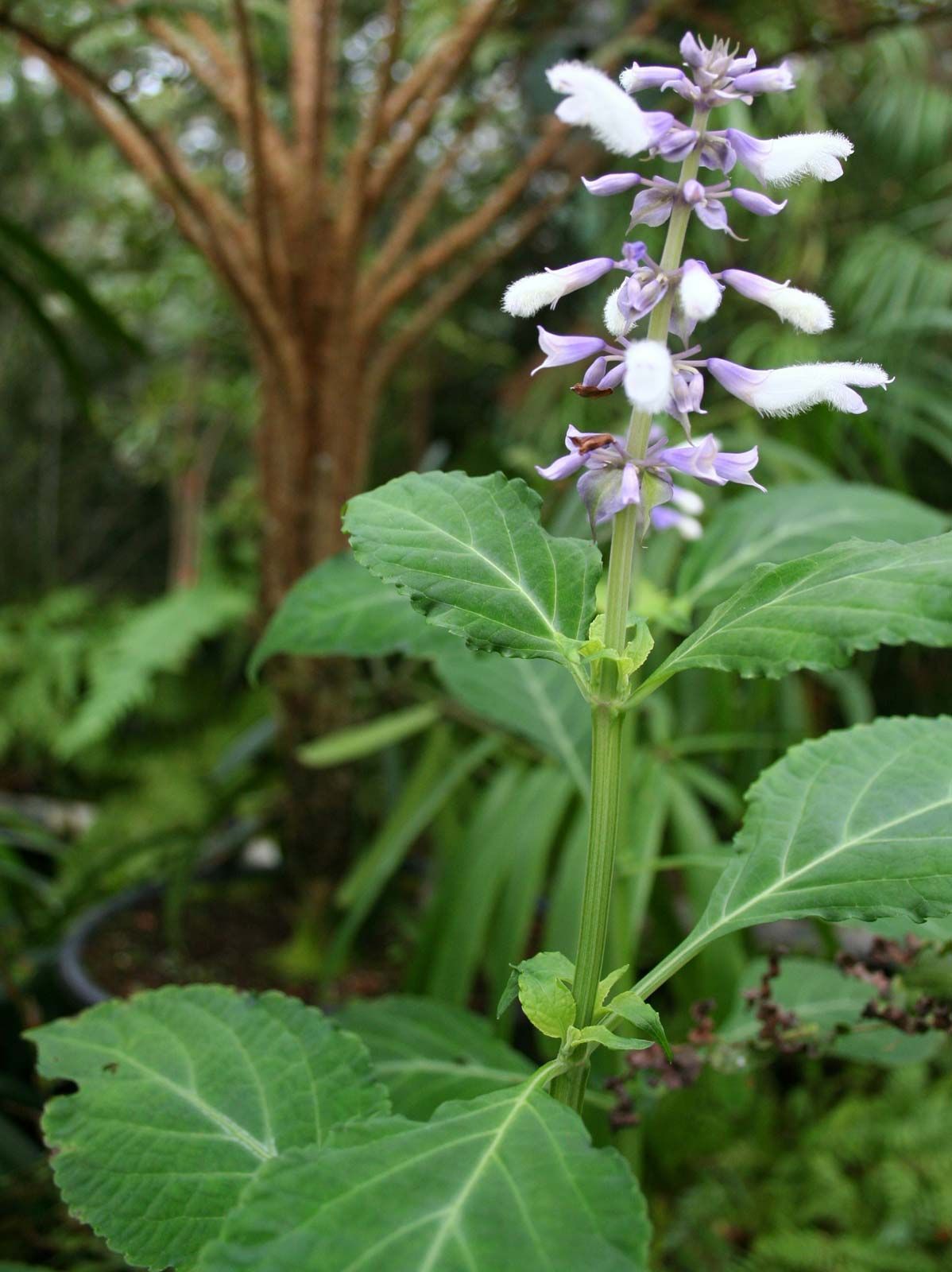
Is Salvia Legal in Michigan?
No. Salvia divinorum is a Schedule 1 controlled substance in Michigan. Possession is a felony.
Reviewed by Laura Bennett · Last updated March 2026
Illegal — Schedule 1 Controlled Substance
Salvia divinorum and salvinorin A are classified as Schedule 1 controlled substances in Michigan under MCL 333.7212(1)(v). Possession is a felony with up to 2 years in prison. Sale or distribution carries up to 7 years.
The Short Answer
Salvia divinorum is illegal in Michigan. The state banned salvia in 2012 when it was added to Michigan's Schedule 1 controlled substances list through Public Act 183 of 2012. The law covers the plant itself, its active compound salvinorin A, and any synthetic equivalents.
Michigan treats salvia the same as other Schedule 1 substances — meaning the state considers it to have a high potential for abuse and no accepted medical use. Possession is a felony offense.
The Specific Law: MCL 333.7212
Salvia divinorum is listed under MCL 333.7212(1)(v), which is part of Michigan's Public Health Code (Article 7 — Controlled Substances). The listing specifically includes:
- Salvia divinorum — the plant in any form (dried leaf, extract, tincture)
- Salvinorin A — the primary psychoactive compound
- Synthetic equivalents — any chemical analog designed to mimic salvinorin A's effects
Penalties for Salvia in Michigan
Because salvia is classified as Schedule 1, penalties are governed by the Michigan Public Health Code's controlled substance provisions:
| Offense | Classification | Maximum Penalty |
|---|---|---|
| Simple possession | Felony | Up to 2 years prison, $2,000 fine |
| Possession with intent to distribute | Felony | Up to 7 years prison, $10,000 fine |
| Sale or delivery | Felony | Up to 7 years prison, $10,000 fine |
| Sale to a minor | Felony | Enhanced penalties apply |
History of the Michigan Salvia Ban
Before 2012, salvia divinorum was legal in Michigan and could be purchased at head shops, gas stations, and online retailers. The push to ban salvia gained momentum after several high-profile incidents and growing concern about its use among teenagers. Key milestones:
- 2009-2011: Multiple bills introduced in the Michigan legislature to ban salvia
- 2012: Public Act 183 signed into law, adding salvia divinorum and salvinorin A to the Schedule 1 list
- 2012-present: No legislative efforts to reverse the ban
Michigan vs. Neighboring States
| State | Salvia Status | Notes |
|---|---|---|
| Michigan | Illegal | Schedule 1 since 2012 |
| Ohio | Illegal | Schedule 1 |
| Indiana | Illegal | Synthetic drug ban |
| Wisconsin | Illegal | Banned since 2010 |
Frequently Asked Questions
Is salvia legal in Michigan?
No. Salvia divinorum and salvinorin A are illegal in Michigan, classified as Schedule 1 controlled substances under MCL 333.7212(1)(v) since 2012. Possession is a felony.
When did Michigan ban salvia?
Michigan banned salvia divinorum in 2012 through Public Act 183, which added it to the Schedule 1 controlled substances list.
What are the penalties for salvia possession in Michigan?
Simple possession is a felony carrying up to 2 years in prison and a $2,000 fine. Possession with intent to distribute carries up to 7 years and $10,000.
Can you buy salvia online and ship it to Michigan?
No. Purchasing salvia and having it shipped to Michigan is illegal and constitutes possession and potentially distribution charges.
Is salvinorin A also illegal in Michigan?
Yes. Michigan's ban covers both the plant and its active compound, as well as synthetic equivalents.