Weapons & Self-Defense Laws by State (2026)
The rules for carrying weapons and self-defense tools in the United States are a patchwork of state and local laws with no federal consistency. A switchblade that's legal in Texas is a misdemeanor in New York. Brass knuckles that are legal in Florida can get you a felony in California. This hub covers every major self-defense tool — legal status, penalties, and the specific traps that catch travelers off guard.
Self-Defense Tools: Legal Status Overview
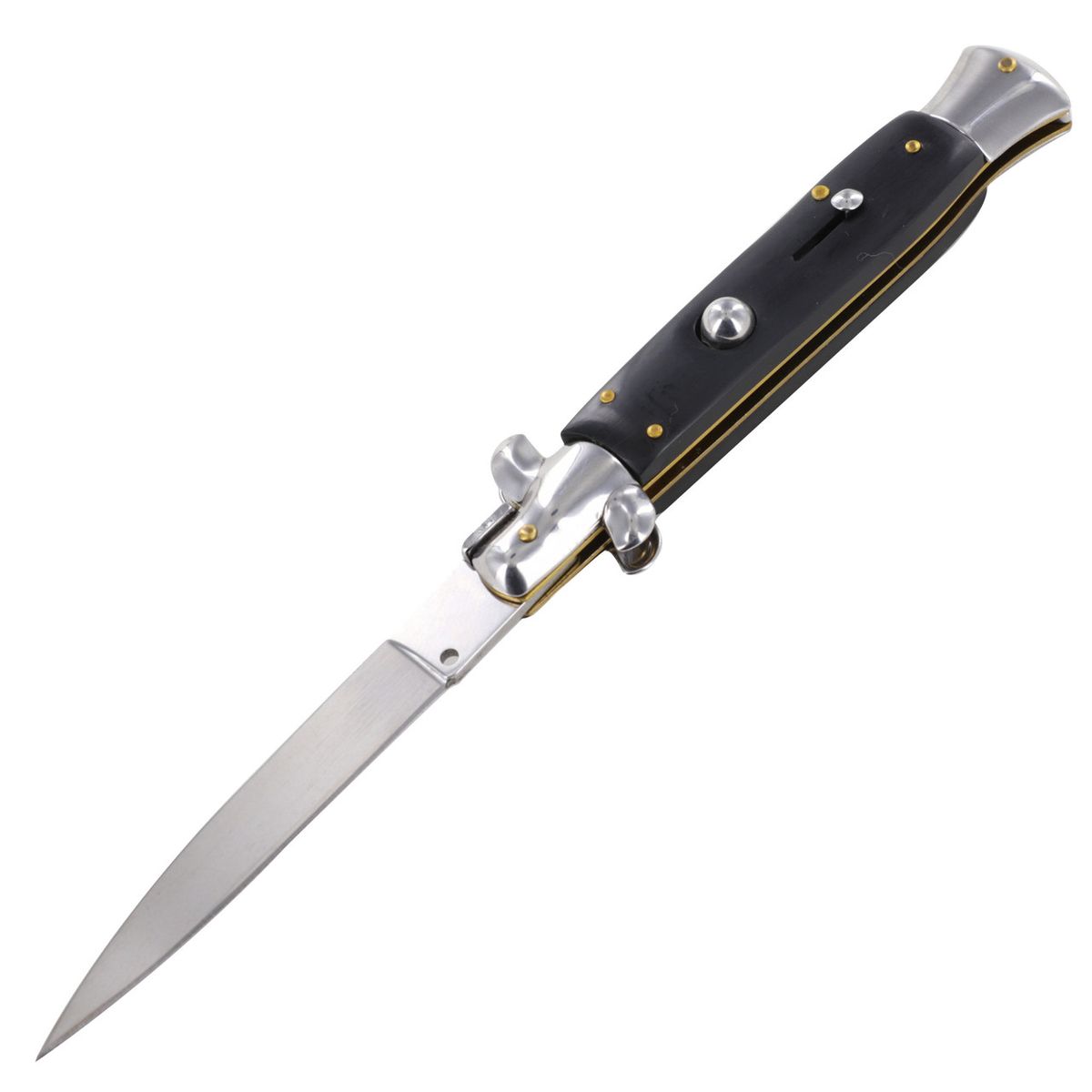
Switchblades & Automatic Knives
Blade length limits, concealed carry rules, and the Federal Switchblade Act explained.
Brass Knuckles
The "paperweight" loophole that provides zero legal protection, and why plastic knuckles are also banned in most states.
Body Armor
Legal for civilians in most states, but felons are federally banned from possession under 18 U.S.C. § 931. Washington state has the strictest restrictions.
Pepper Spray & OC Spray
Legal everywhere with restrictions, but canister size limits, concentration limits, and age requirements vary by state.
Tasers & Stun Guns
Legal in most states, but Hawaii, Rhode Island, and a handful of others still ban civilian possession. Permit requirements vary.
Butterfly Knives (Balisongs)
Often treated like switchblades under state law. California, Hawaii, and several other states have explicit bans.
Nunchucks
New York's 40-year ban was struck down in 2019. Most states now allow nunchucks, but several still restrict them.
What Happens If You Get Caught
The penalties for possessing illegal weapons vary wildly. A first-offense switchblade charge in Massachusetts might result in a $50 fine. The same charge in Connecticut can be a Class E felony. Here are the detailed penalty breakdowns for each weapon type.
Traveling With Weapons: The State Line Problem
Unlike firearms, which have federal safe passage protections under the Firearm Owners Protection Act (FOPA), there is no federal law protecting you when you cross state lines with a knife, brass knuckles, or other non-firearm weapons. The moment you enter a state that bans your item, you are in violation of that state's law — regardless of where you came from or where you're going.
What's Legal to Carry Across State Lines? →